Procedurally generated vegetation in AR
Type | Research Project Augmented Reality |
Role | Main Developer |
Engine | Unity |
Language | C# |
Tools | Visual Studio Mixed Reality Toolkit (MRTK) Blender Git |
Initial Release | 2020 |
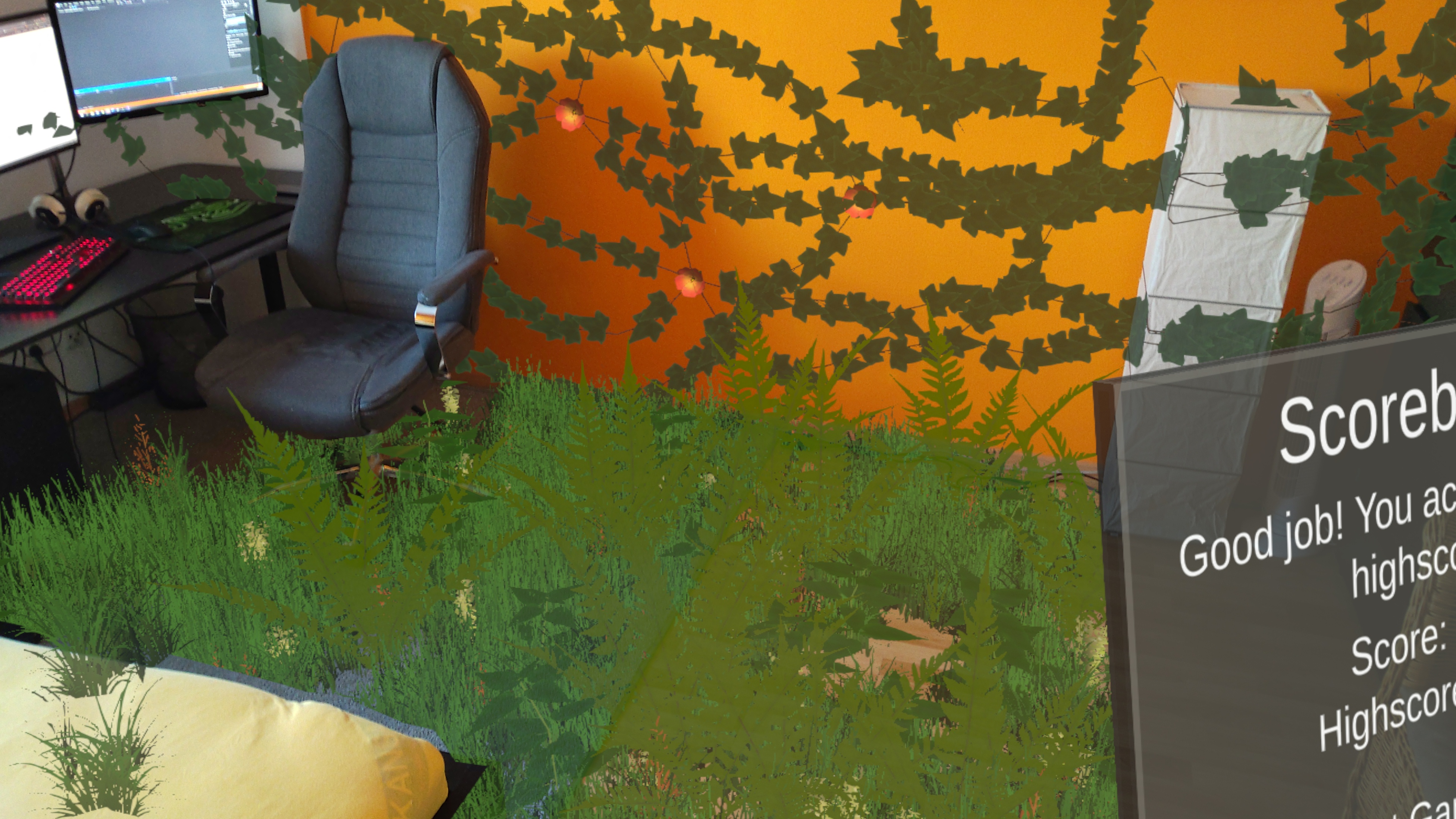
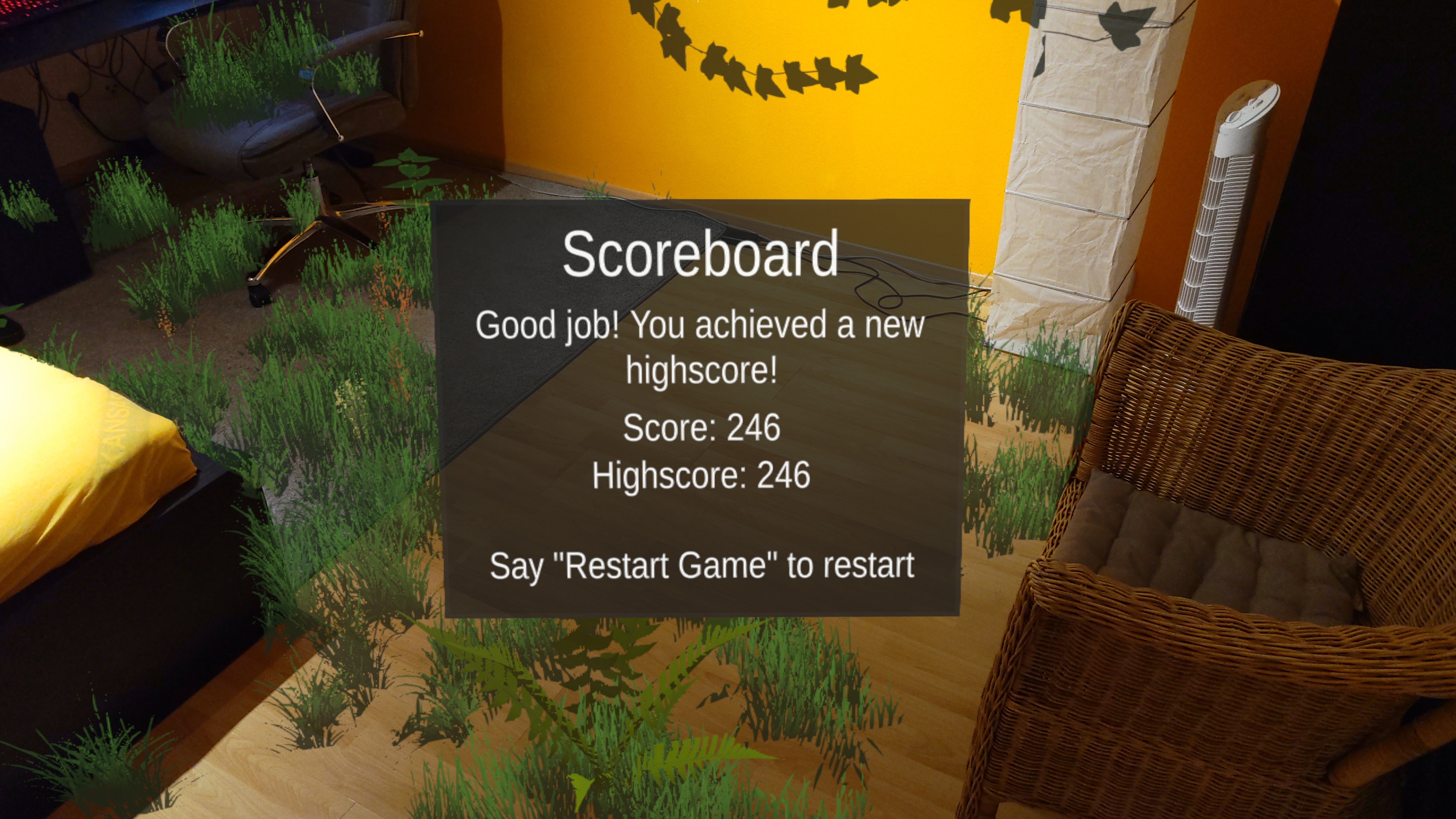
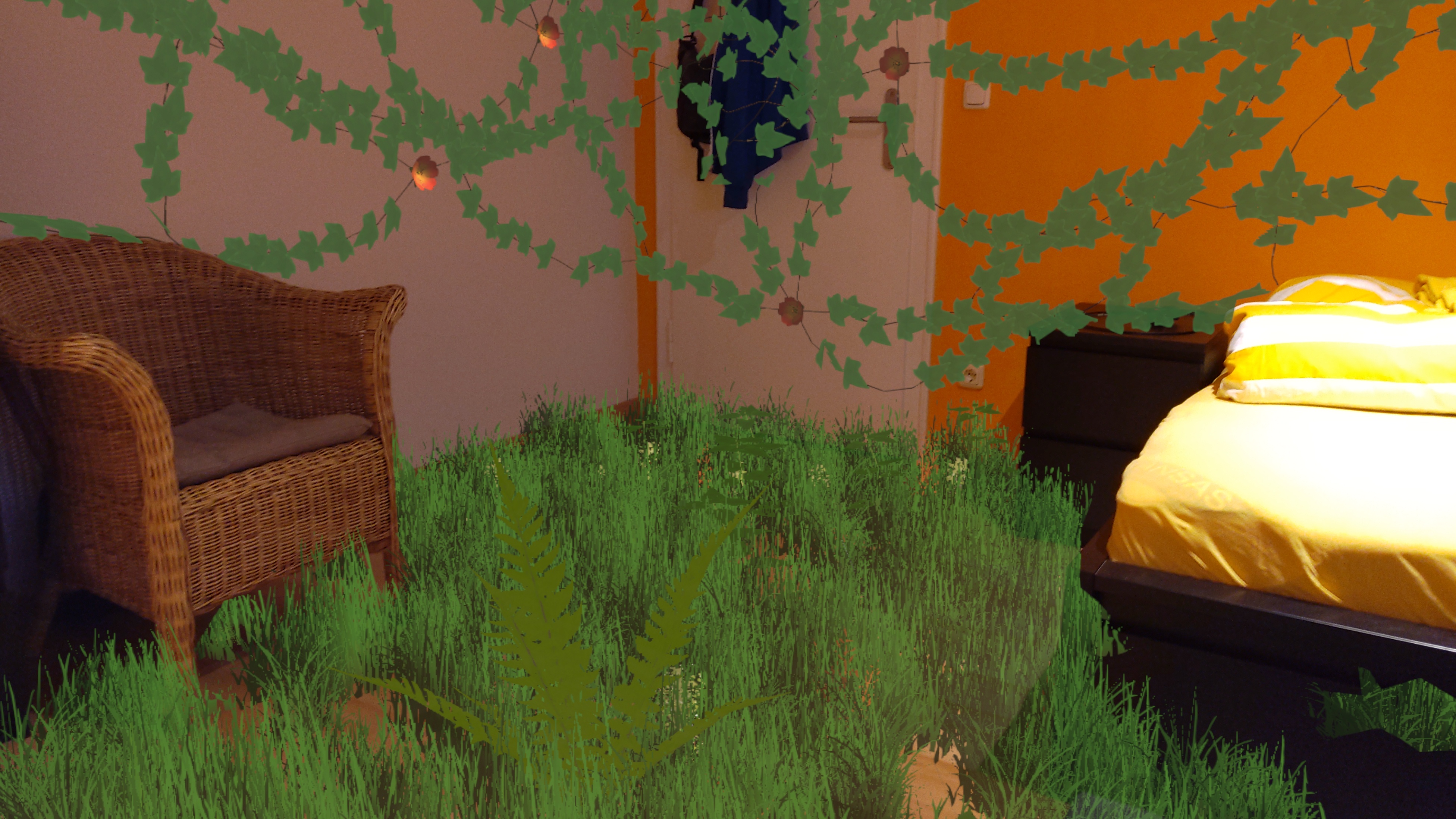
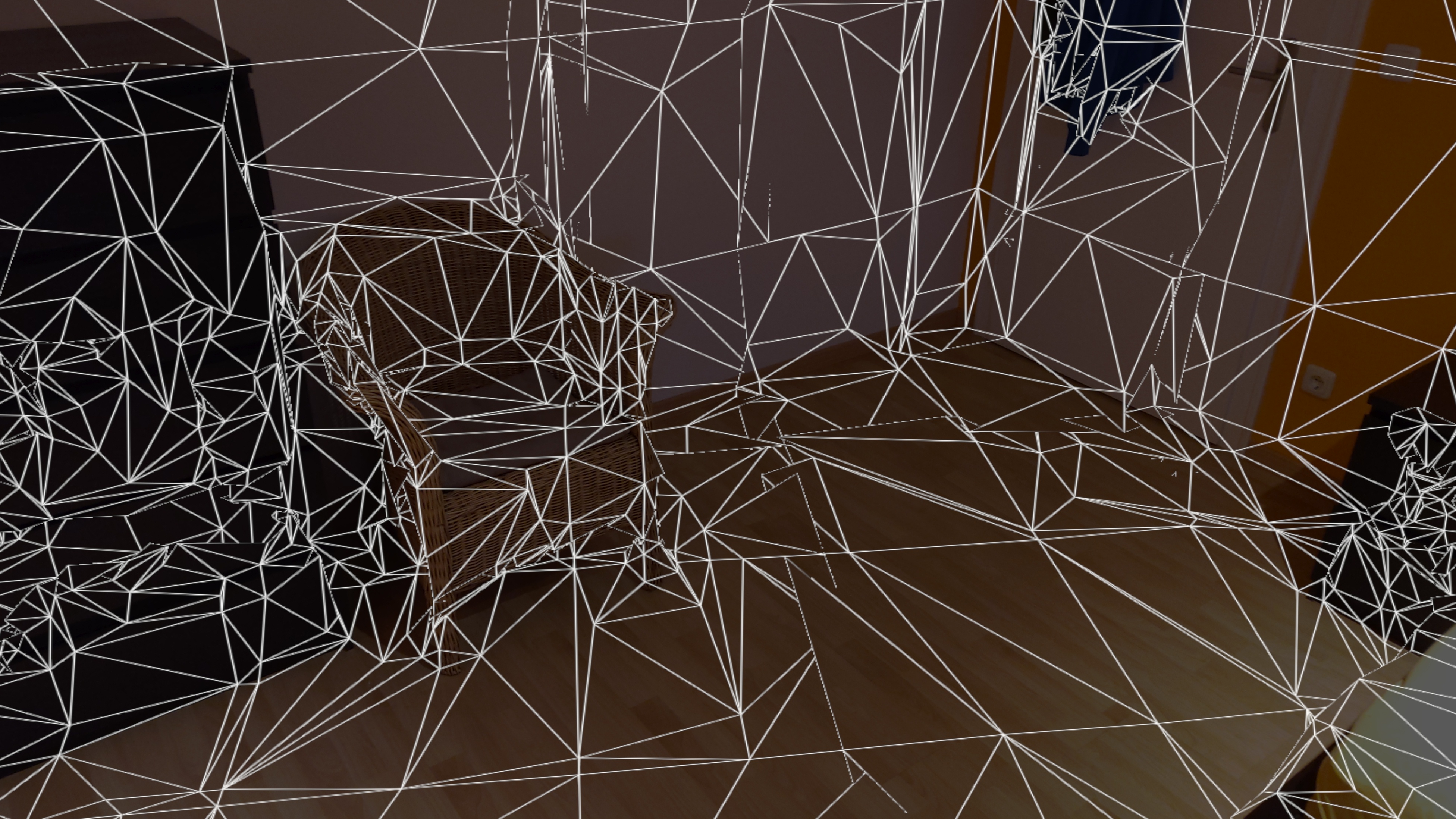
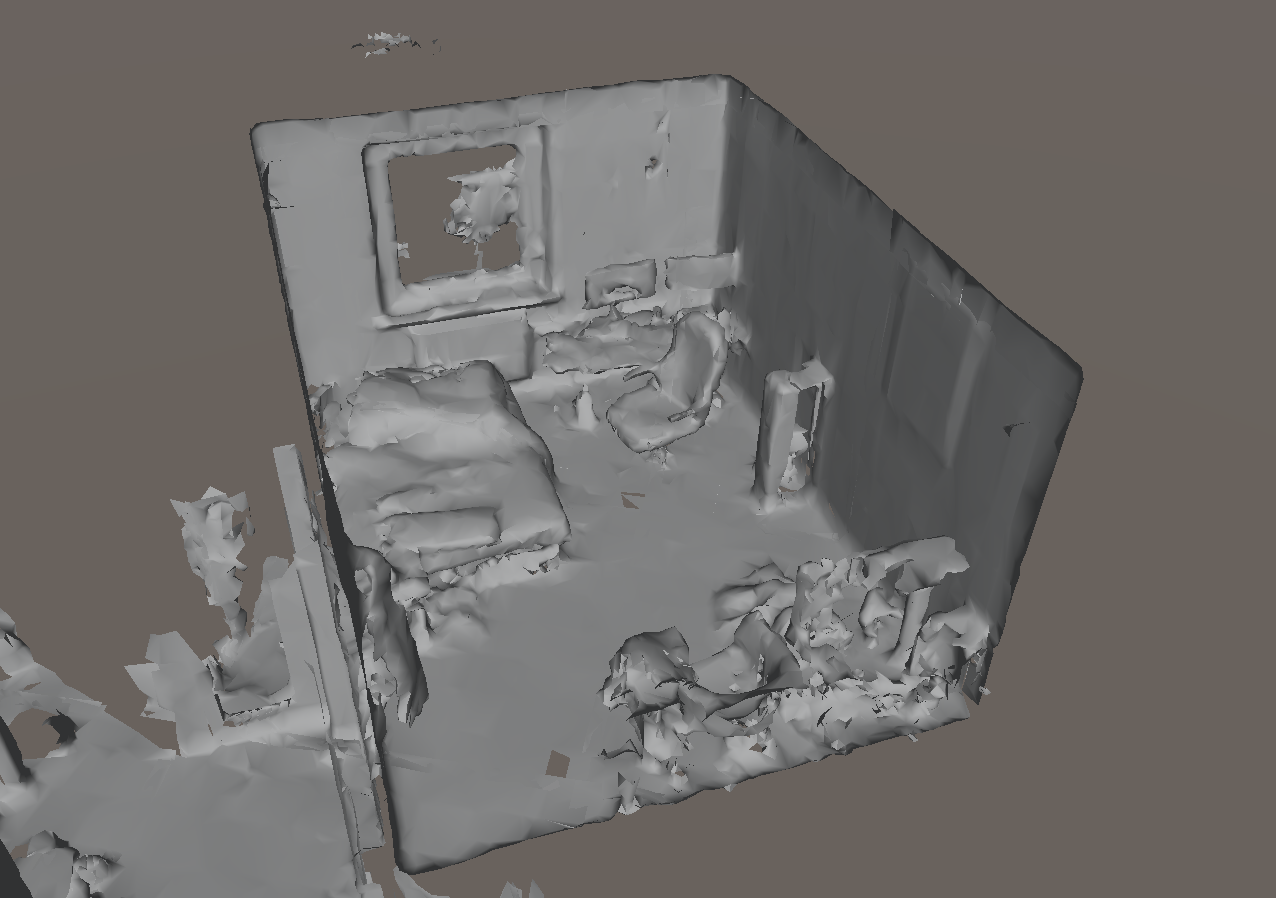
This application is the result of my bachelor’s thesis at the University of Applied Sciences in Kempten, Germany. It uses Microsoft’s HoloLens 2 and its Spatial Mapping feature to overlay different types of procedurally placed and generated vegetation over the user’s real environment to create an immersive, interactive experience.
Inspired by the circumstances during the pandemic, the overall goal of this project and its accompanying research paper was to investigate the positive influence an Augmented Reality environment can have on a person who is restricted to a confined space and only has limited direct contact with other people.
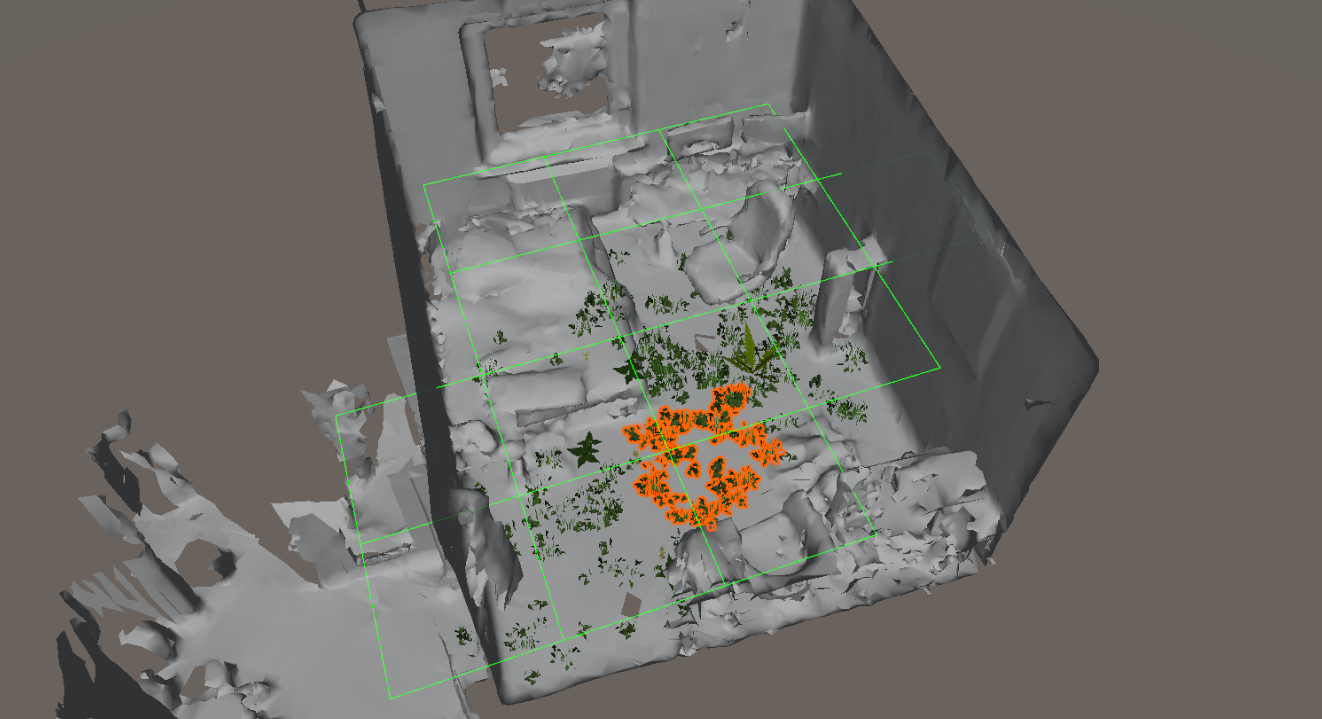
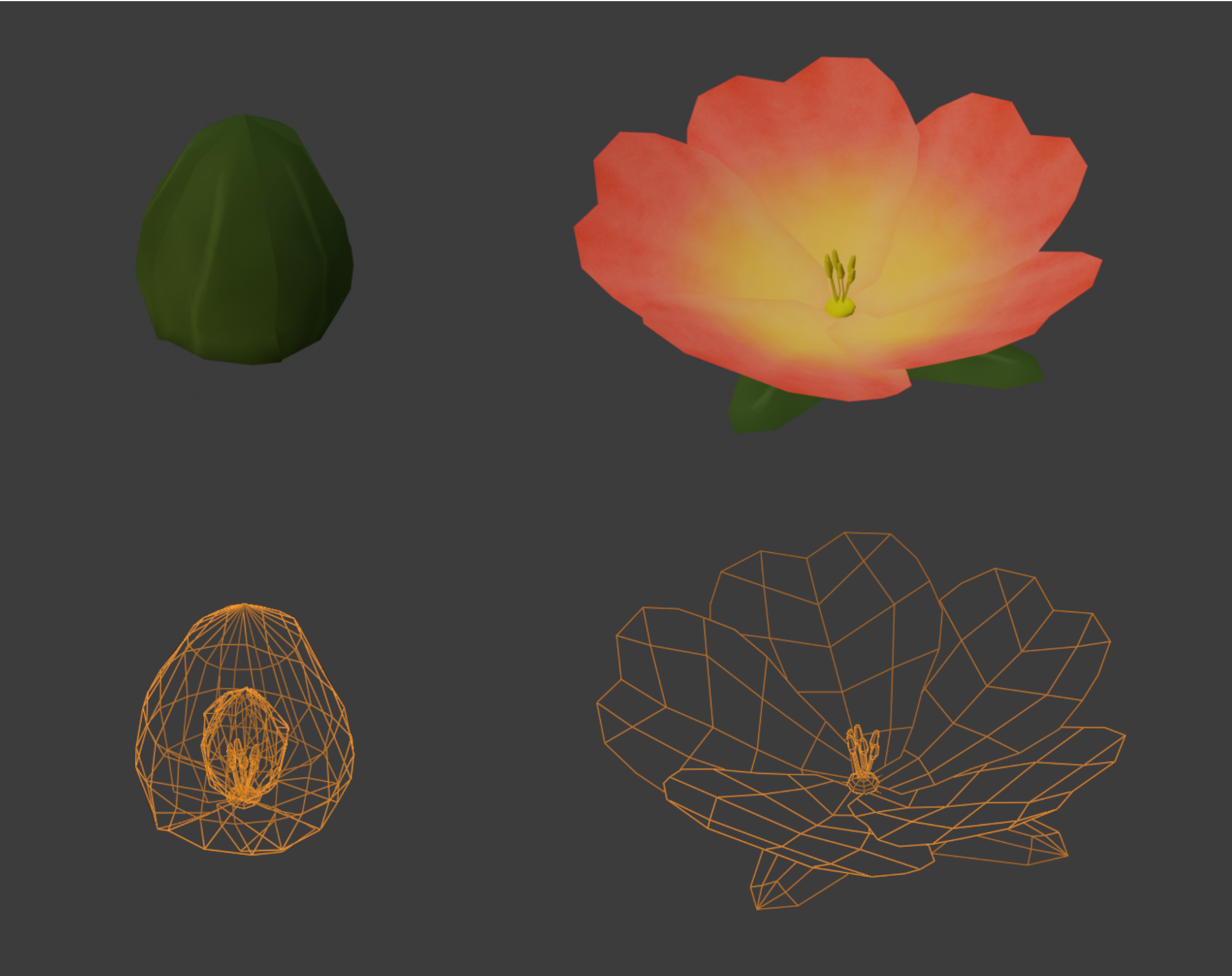
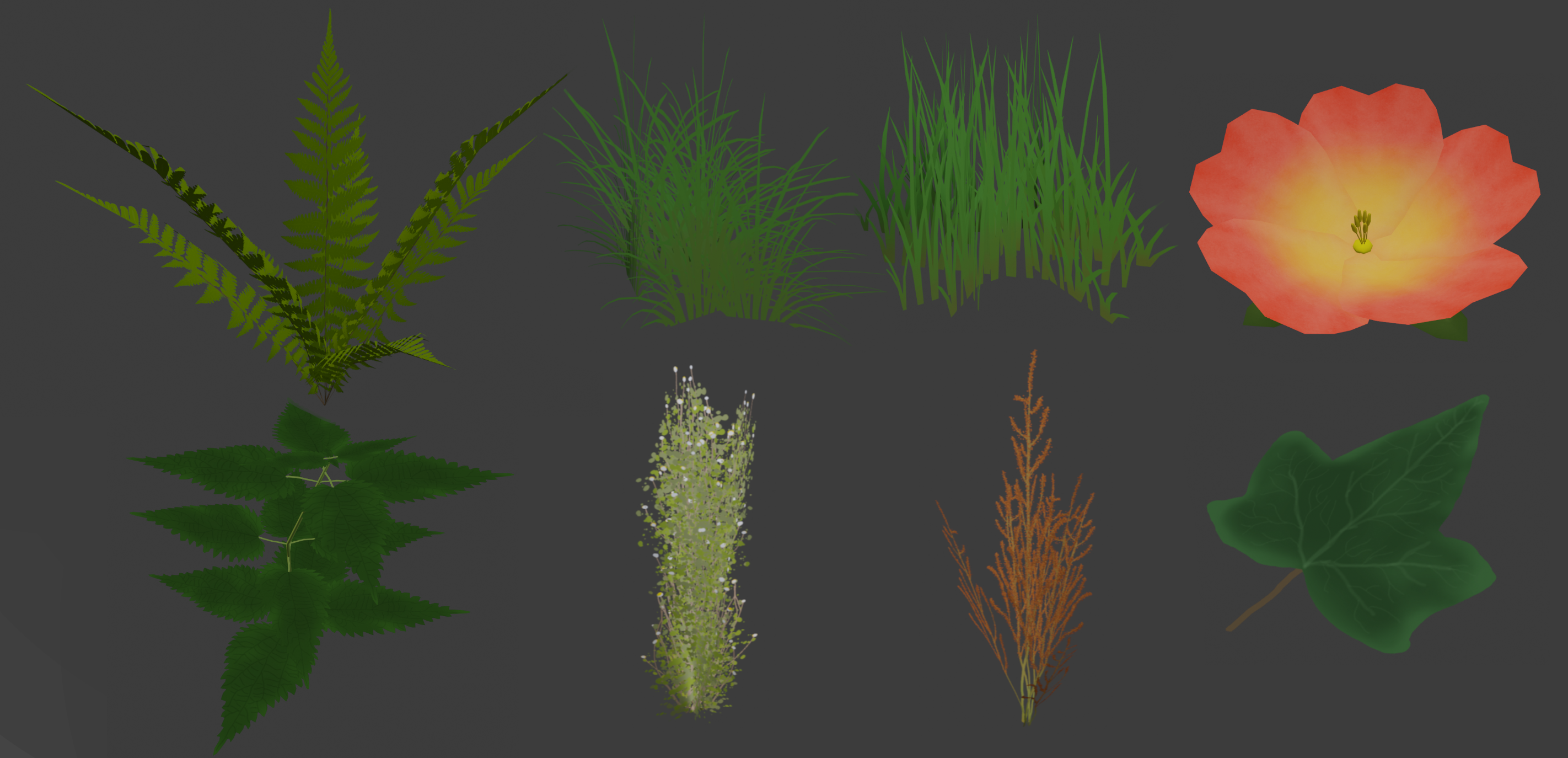
In the application itself, the player can utilize the integrated hand tracking and gesture recognition to throw water balloons, which then cause different types of vegetation (e.g., grass, flowers and ferns) to grow dynamically around the point of impact. Hitting a flower will prompt it to bloom and grow multiple ivy vines along the surface it is located on. The ivy vines are generated procedurally and seek their own pathways throughout the environment using a pathfinding system that employs raycasts to categorize their immediate surroundings.